7-Day License Exchange - Converting Chinese Driver's License at Tokyo Samezu License Center (外国の運転免許証切り替え)
Required Documents:
1. Residence Card (Zairyu Card)
2. Passport
If you have old passports, bring them all. They’re mainly used to verify that you stayed in your home country for at least 3 months after obtaining your driver’s license.
3. Driver’s License (both main and supplementary)
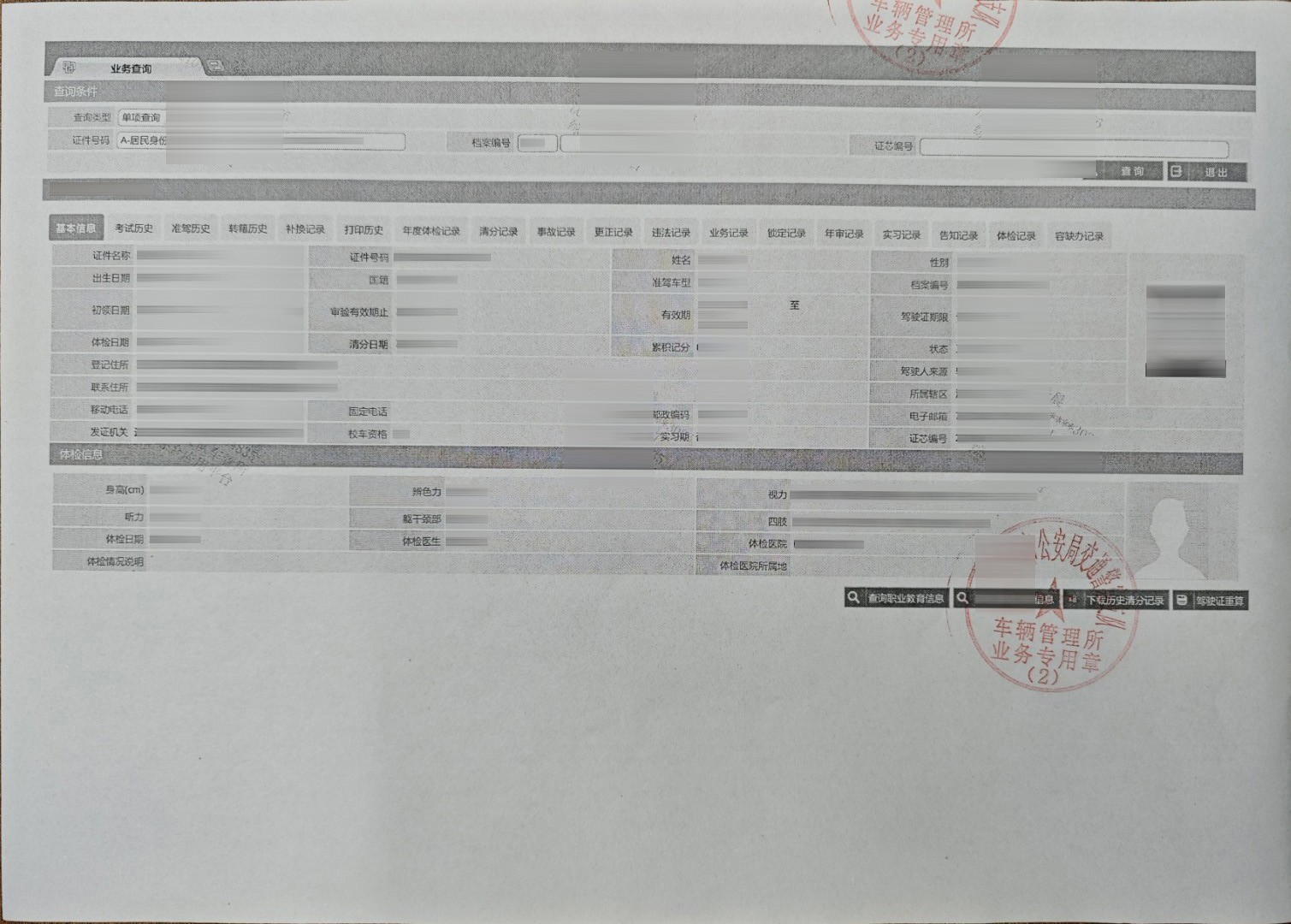
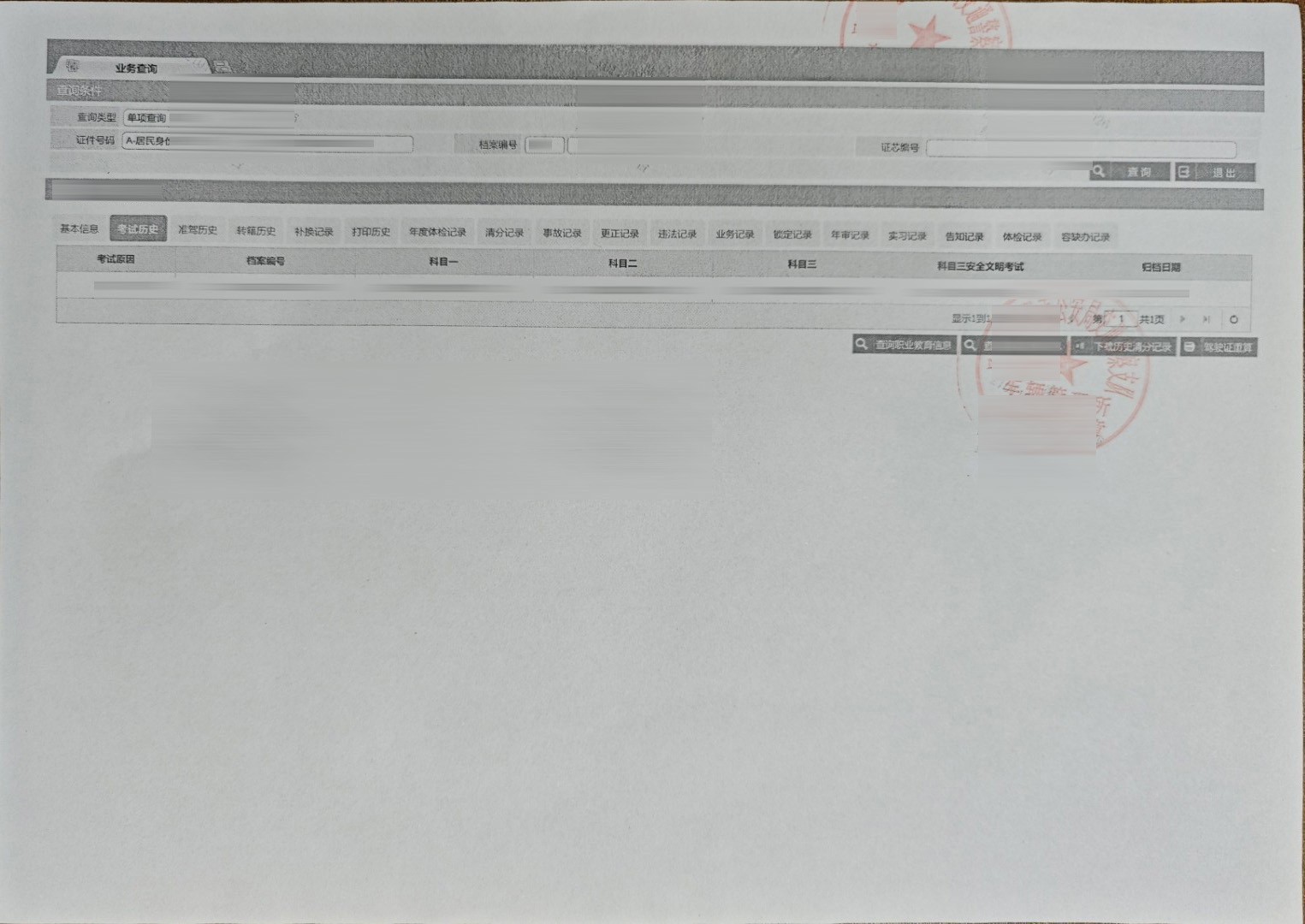
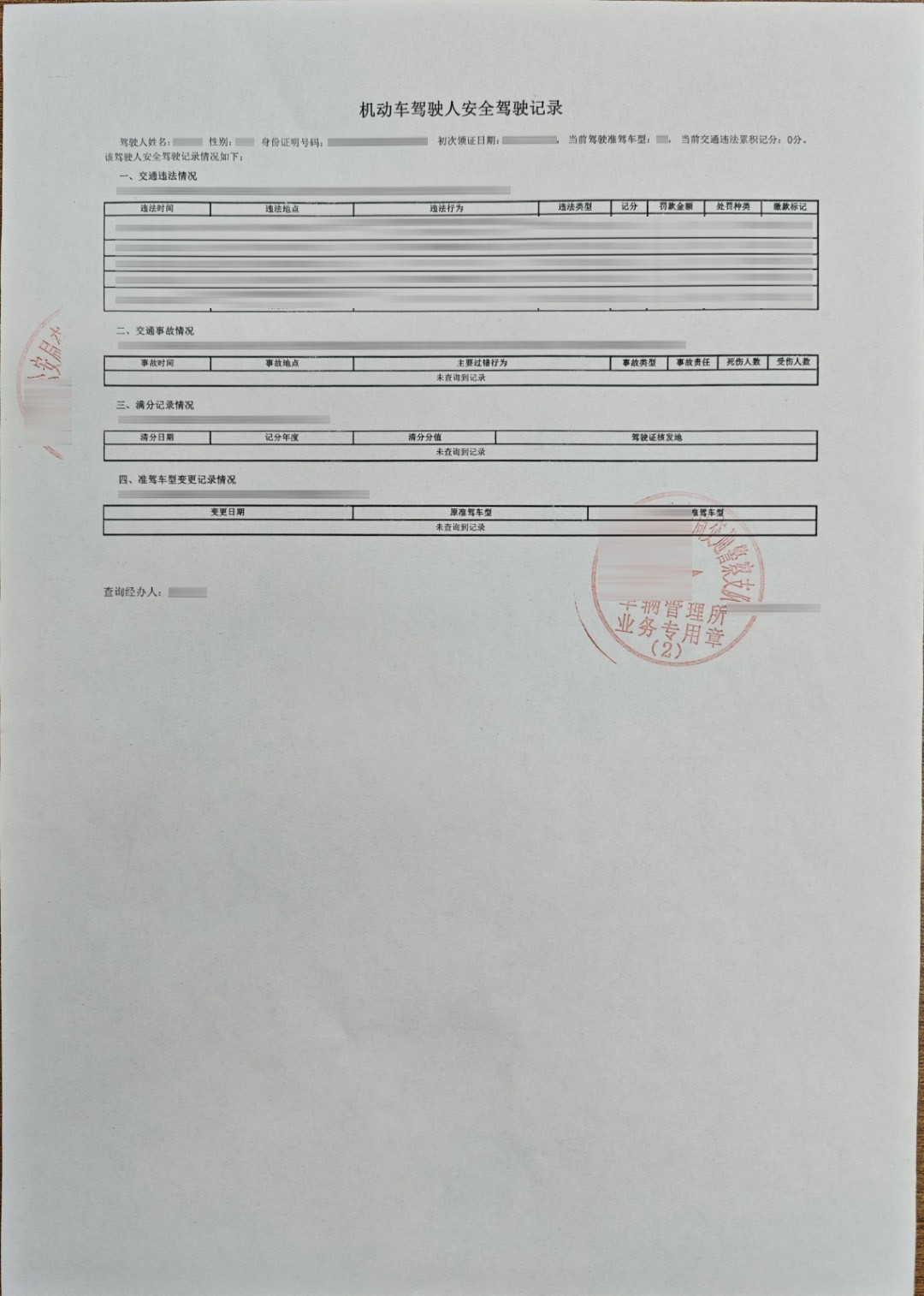
4. Driver’s Basic Information, Motor Vehicle Driver Safety Record
For driver’s basic information, mine was two pages, including basic driver info and test scores. At the vehicle management office, I said I needed it for overseas license exchange, told them Japan, and they issued 3 pages directly.
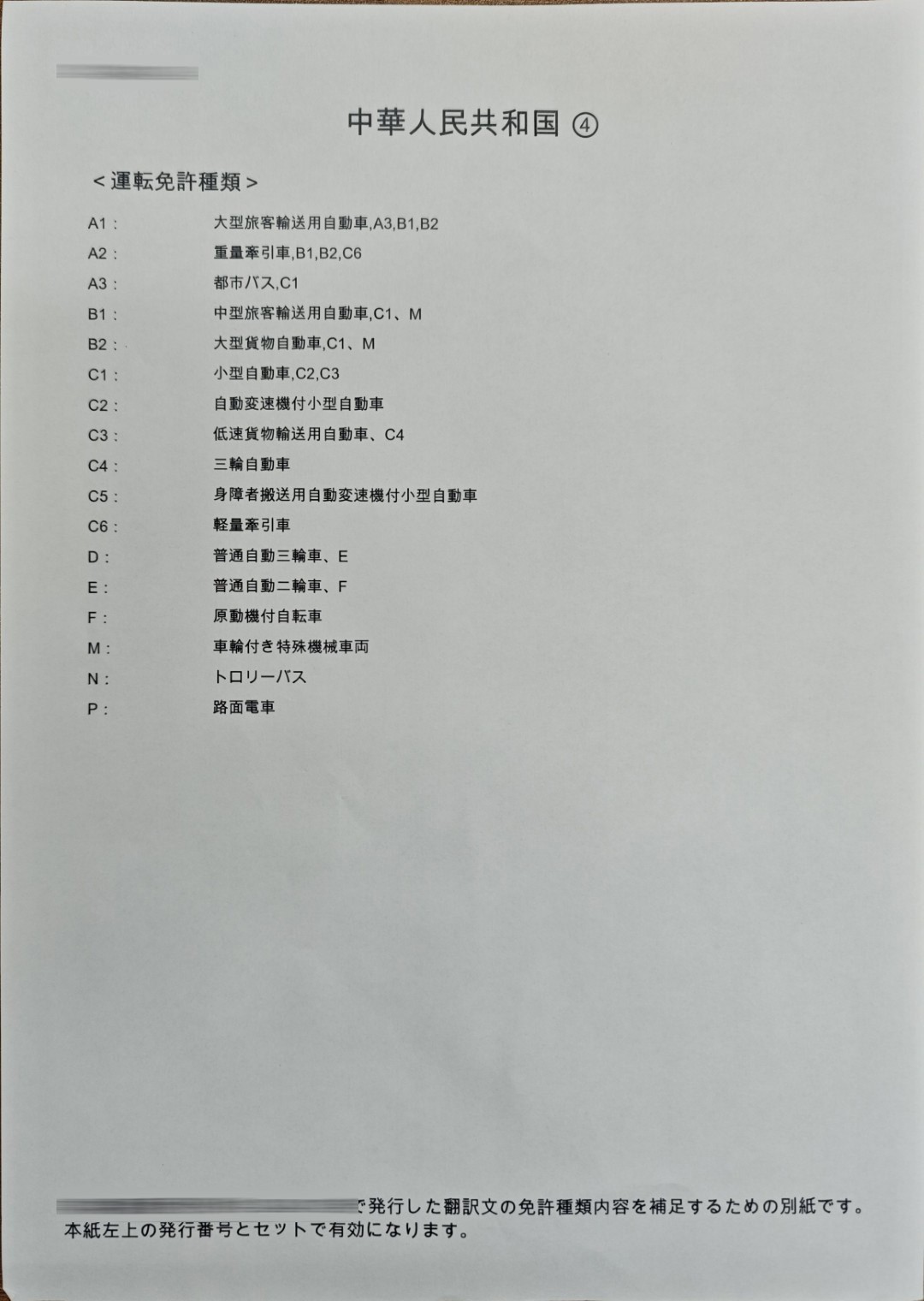
5. JAF (Japan Automobile Federation) Japanese Translation Document
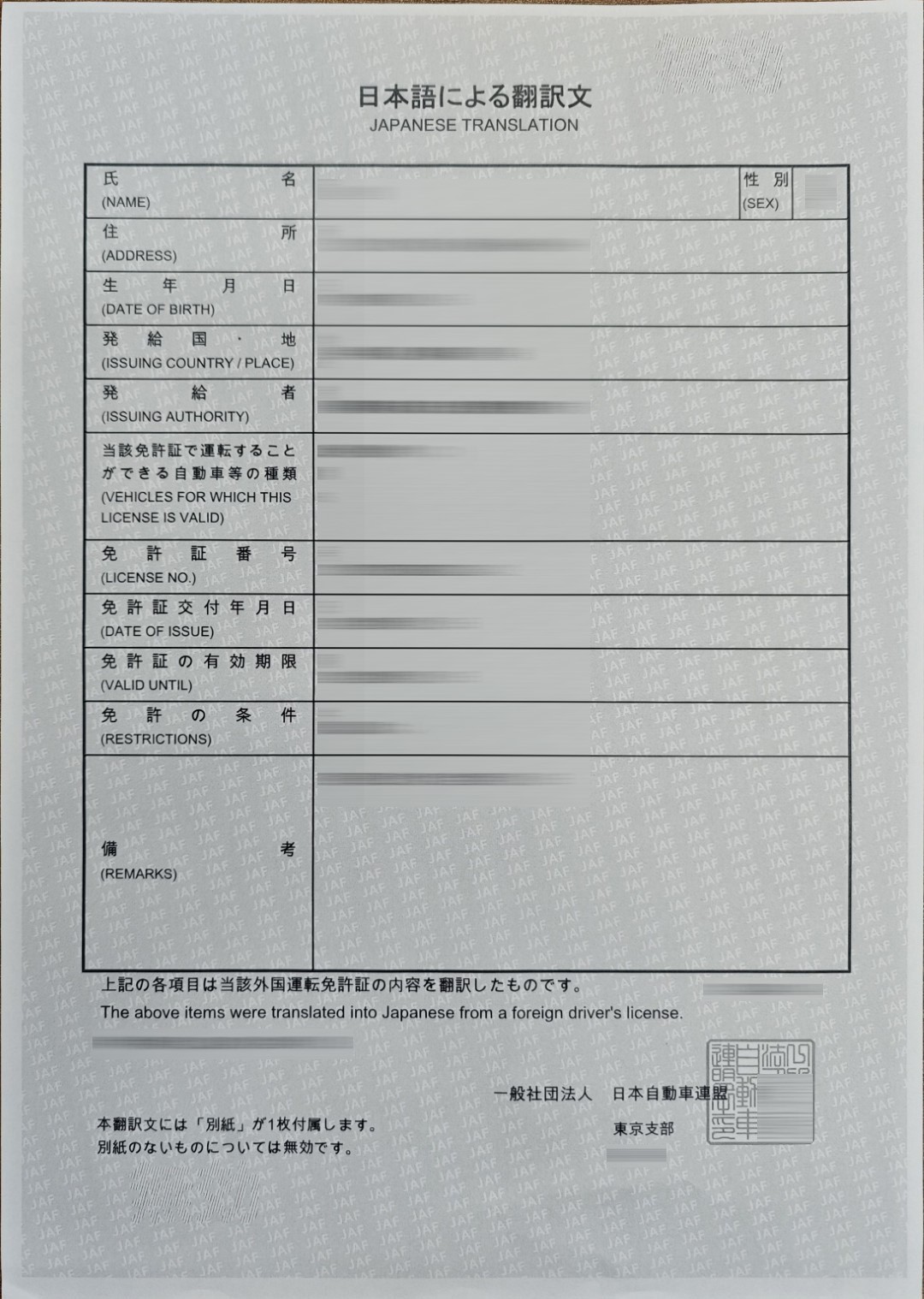
Apply on the JAF official website, 4,400 yen. After applying, you can print at 7-11. There’s a Chinese application tutorial.
Official Website - Driver’s License Translation Service https://jafnavi.jp/honyaku/uketuke/index.php
Application Tutorial - Chinese (Simplified)
6. Residence Certificate (Juminhyo)
Single person is fine, needs to show nationality, visa type, visa period, etc. No need to show My Number. If printed with My Number by mistake, it needs to be blacked out for privacy. Must be colored - if the front has no color but back has colored logo, that’s also acceptable. Mainly used to confirm it’s an original document.
7. Entry/Exit Records
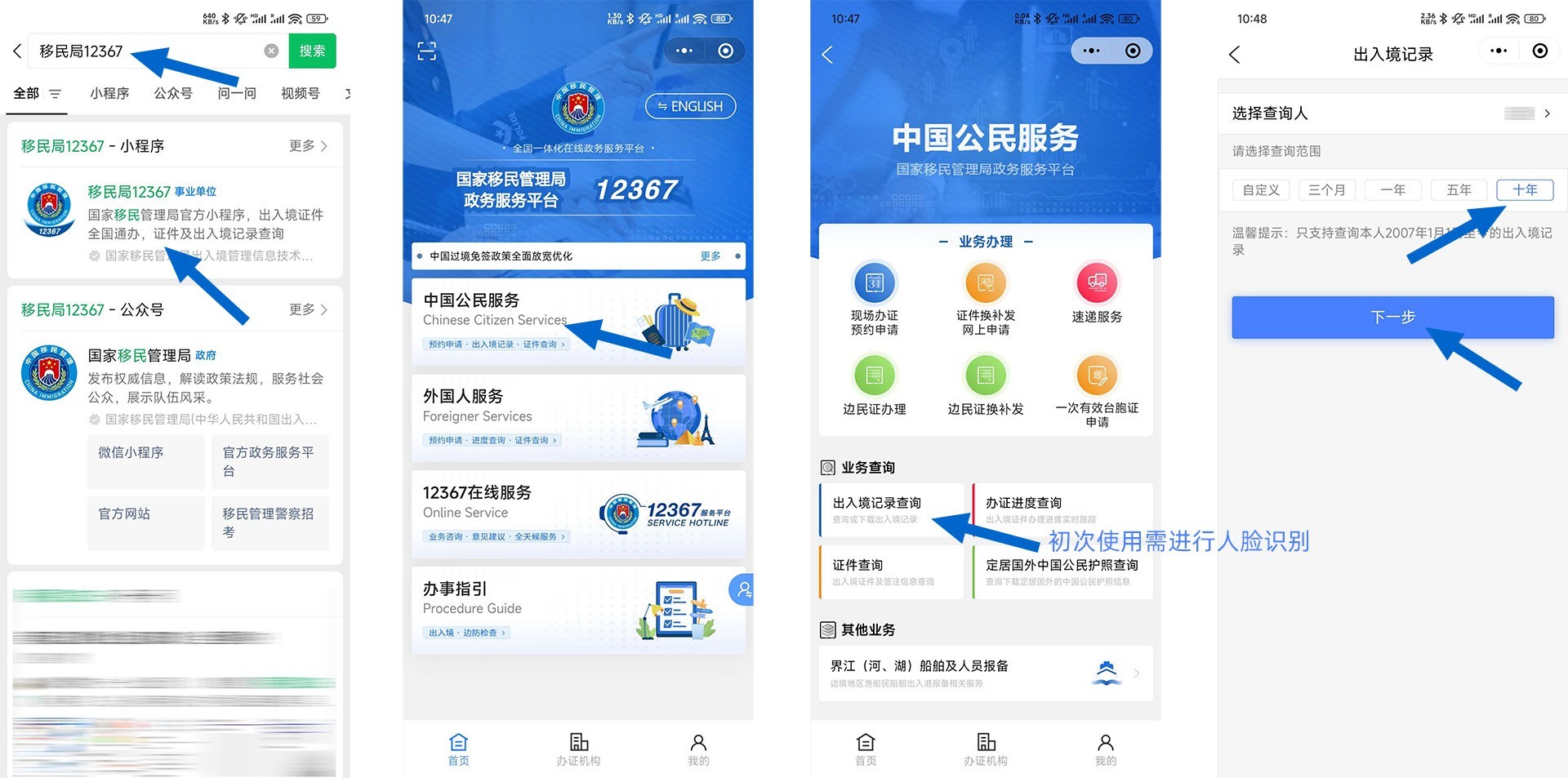
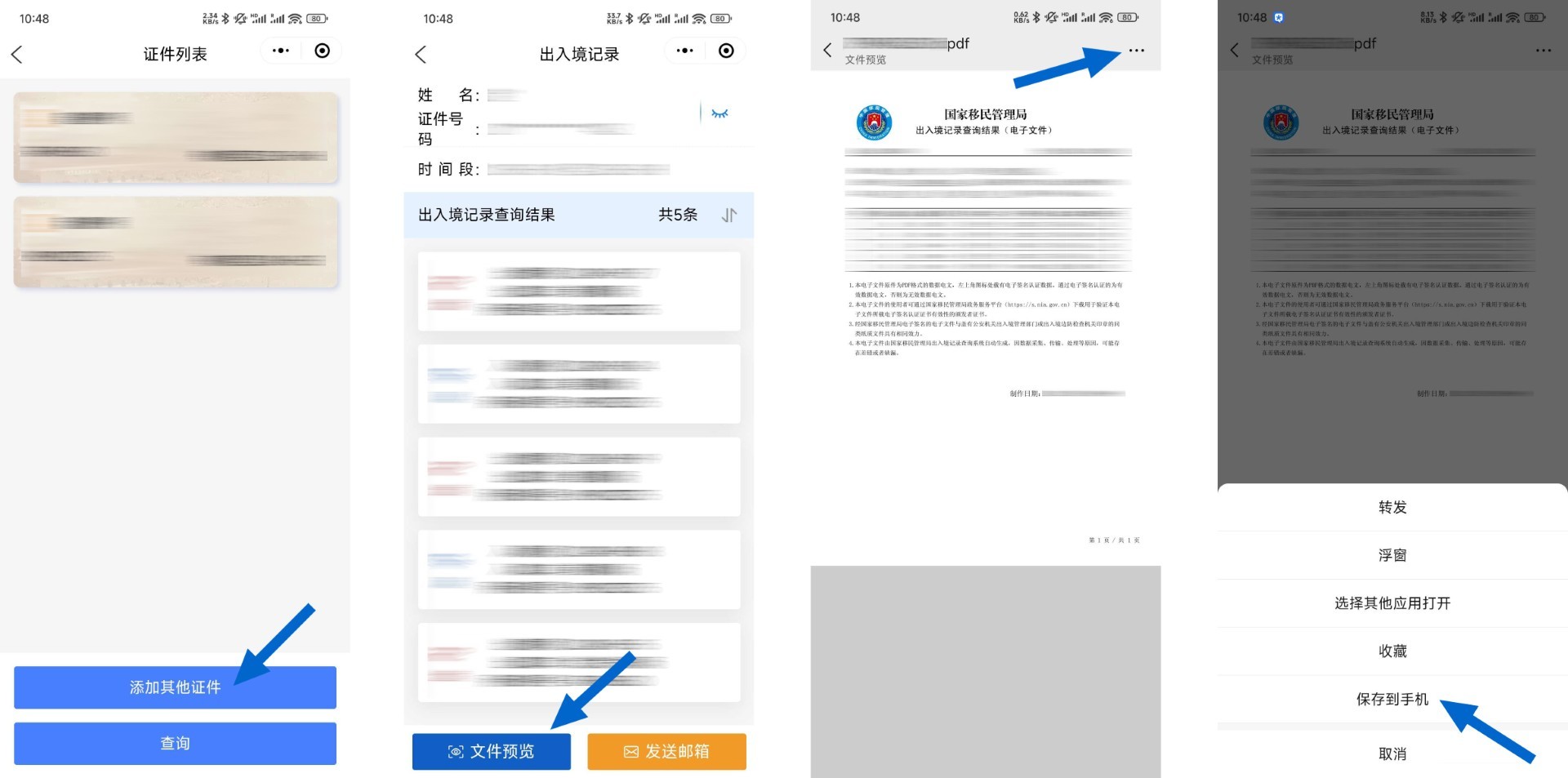
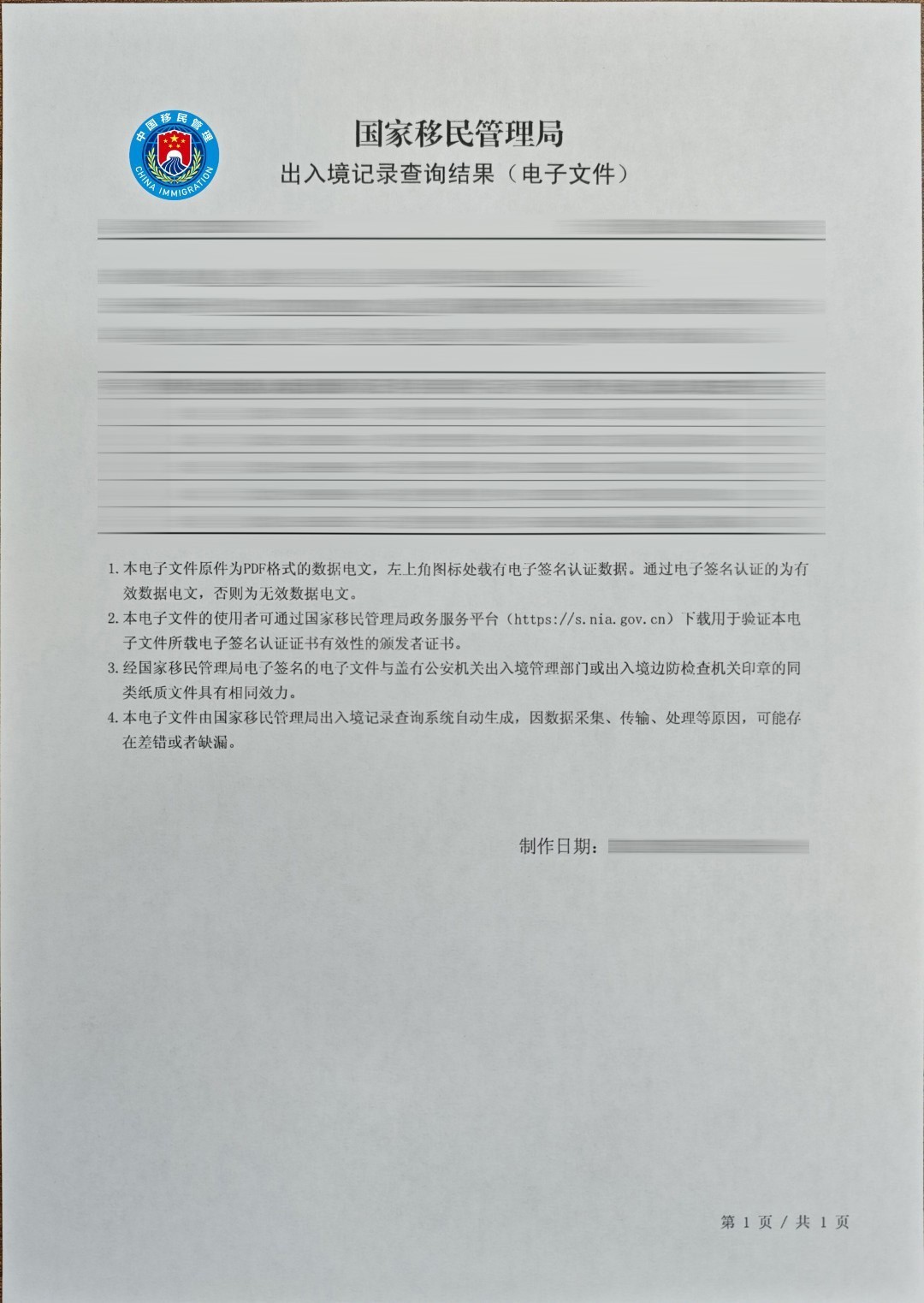
Search “Immigration Bureau 12367” on WeChat mini program, query 10 years of entry/exit records. Save and print at convenience store, 50 yen. Must be colored with colored logo on front, mainly to confirm original document.
Reference Method:
Search “Immigration Bureau 12367” on WeChat mini program, click “Chinese Citizen Service”, click “Entry/Exit Record Query”, select “Ten Years”, click “Query”, click “File Preview”, select ”…” in top right corner, then “Forward” to File Transfer Assistant to print on computer, or save to phone.
8. Photo (3cm height, 2.4cm width) 1 piece
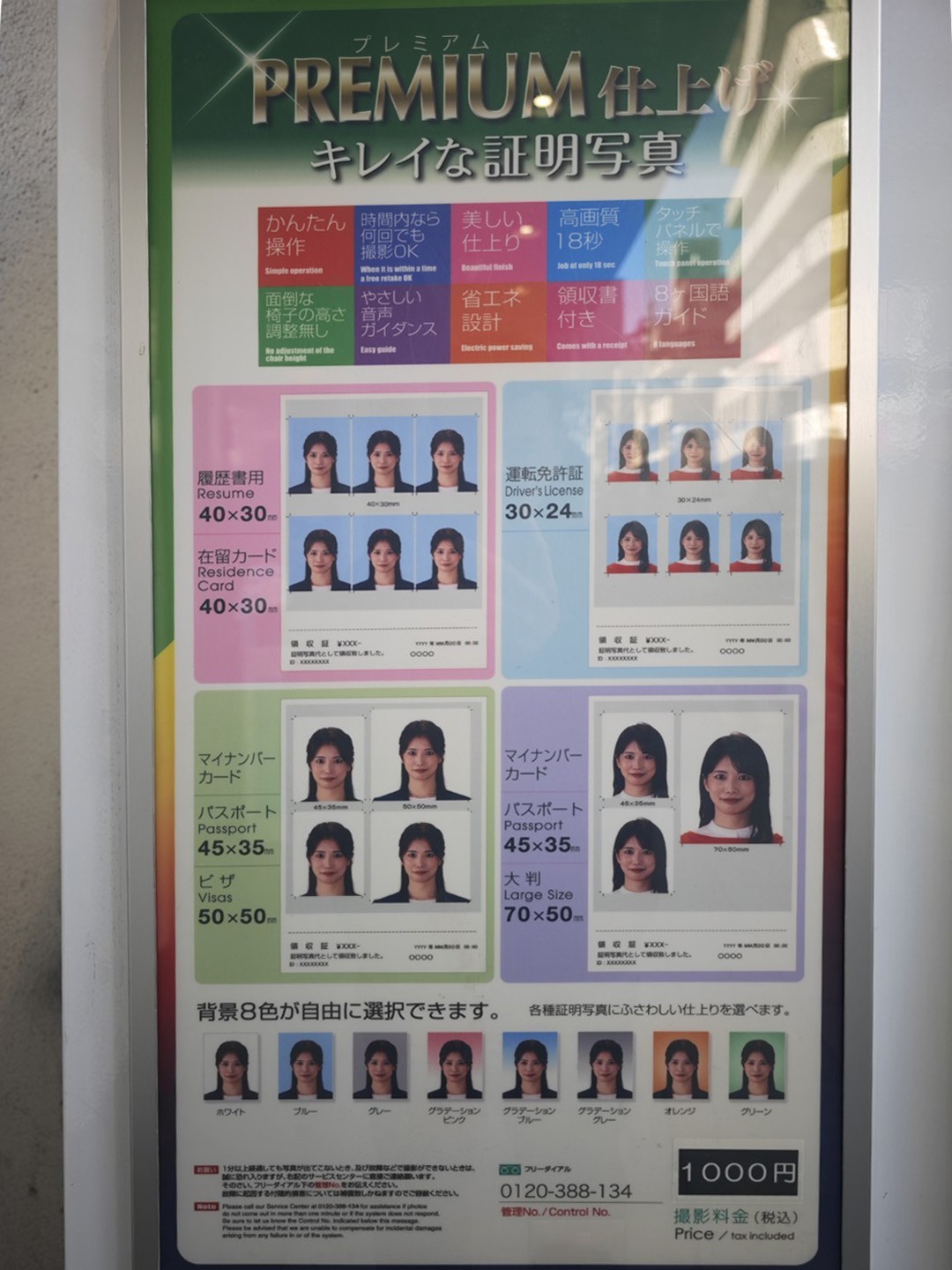
Light blue or white background both work. Not for the license photo, this is for the application form. Self-service photo machines have increased to 1,000 yen for 6 photos now. You can take your own photo with white background or do minor PS edits and print at convenience store, select “Driver’s License”, size 1-inch, 3cm height, 2.4cm width, 250 yen.
Queuing, Application, Interview, Written Test, Practical Test Reservation
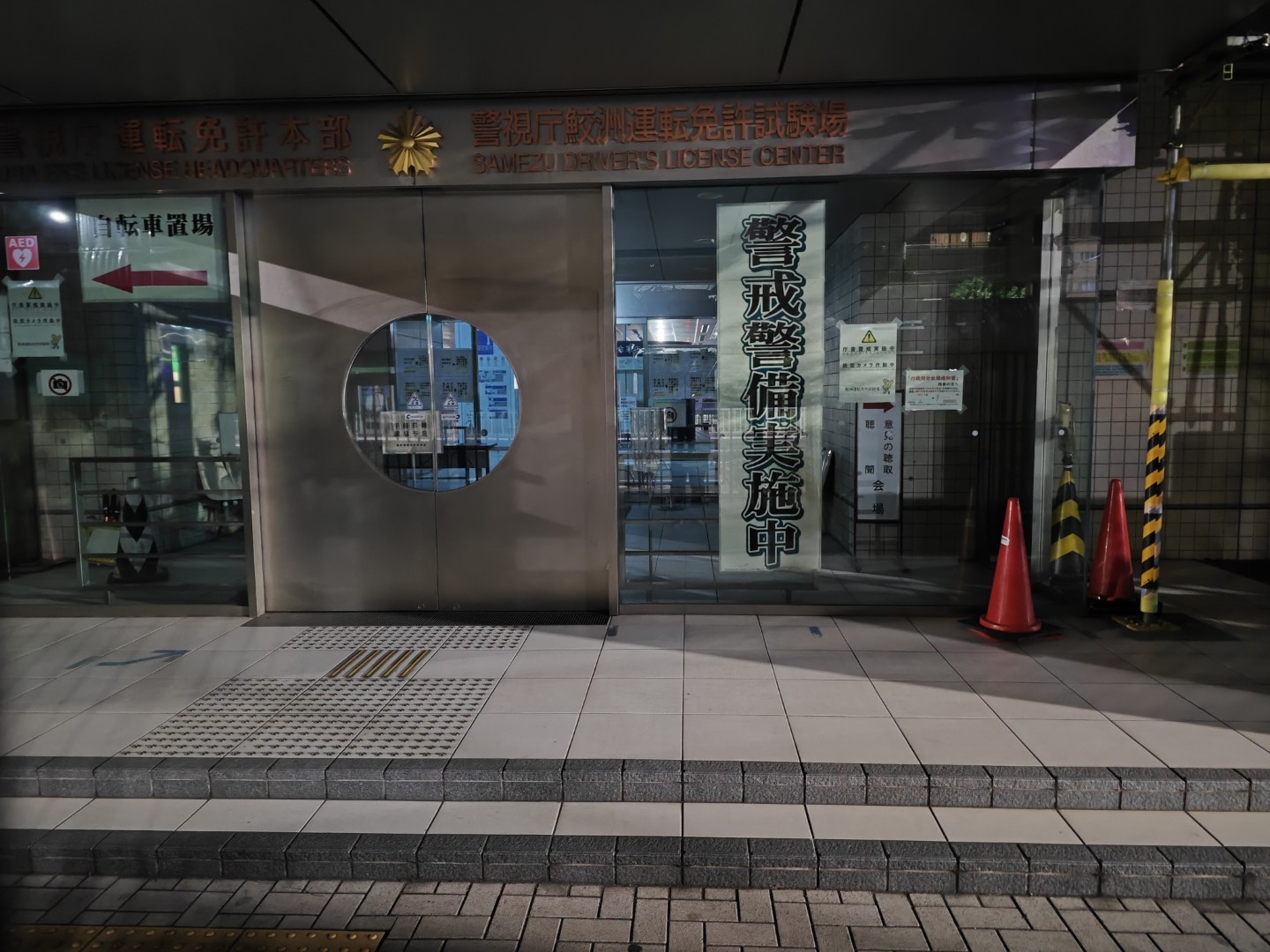
Tokyo has 3 test sites for reservation: Fuchu, Samezu, and Koto. I went to Samezu, search “鮫洲運転免許試験場” or “Samezu Driver’s License Testing and Issuing Center” on maps. As of February 10, 2025, you need to queue early in the morning for same-day reservation.
1. Queuing
Samezu test center now requires early morning queuing for reservation. If you arrive late, you won’t get a spot - there’s a daily limit. Recommend arriving before 5 AM. Later might mean no chance. Daily queue numbers vary - depends on luck, so better early than late. Since the earliest train can’t get there by 5 AM, and the previous day’s last train arrives around 1 AM which is too early, I chose a nearby internet cafe. DICE internet cafe near Oimachi Station - download the app and register as member beforehand, 1,200 yen for 3 hours.
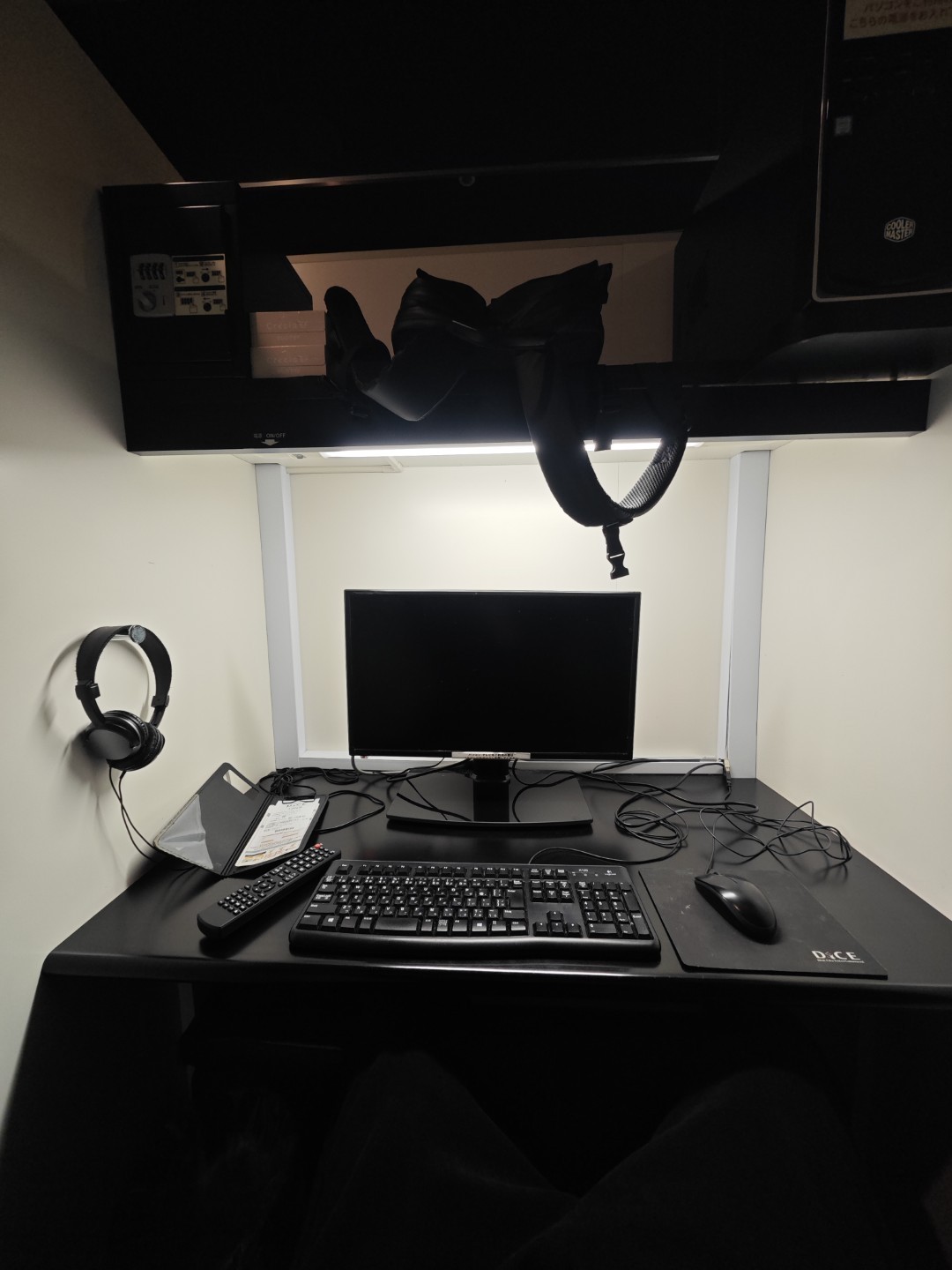
First time at a Japanese internet cafe. We’re here to queue, so a reminder - sleep, don’t click around randomly.
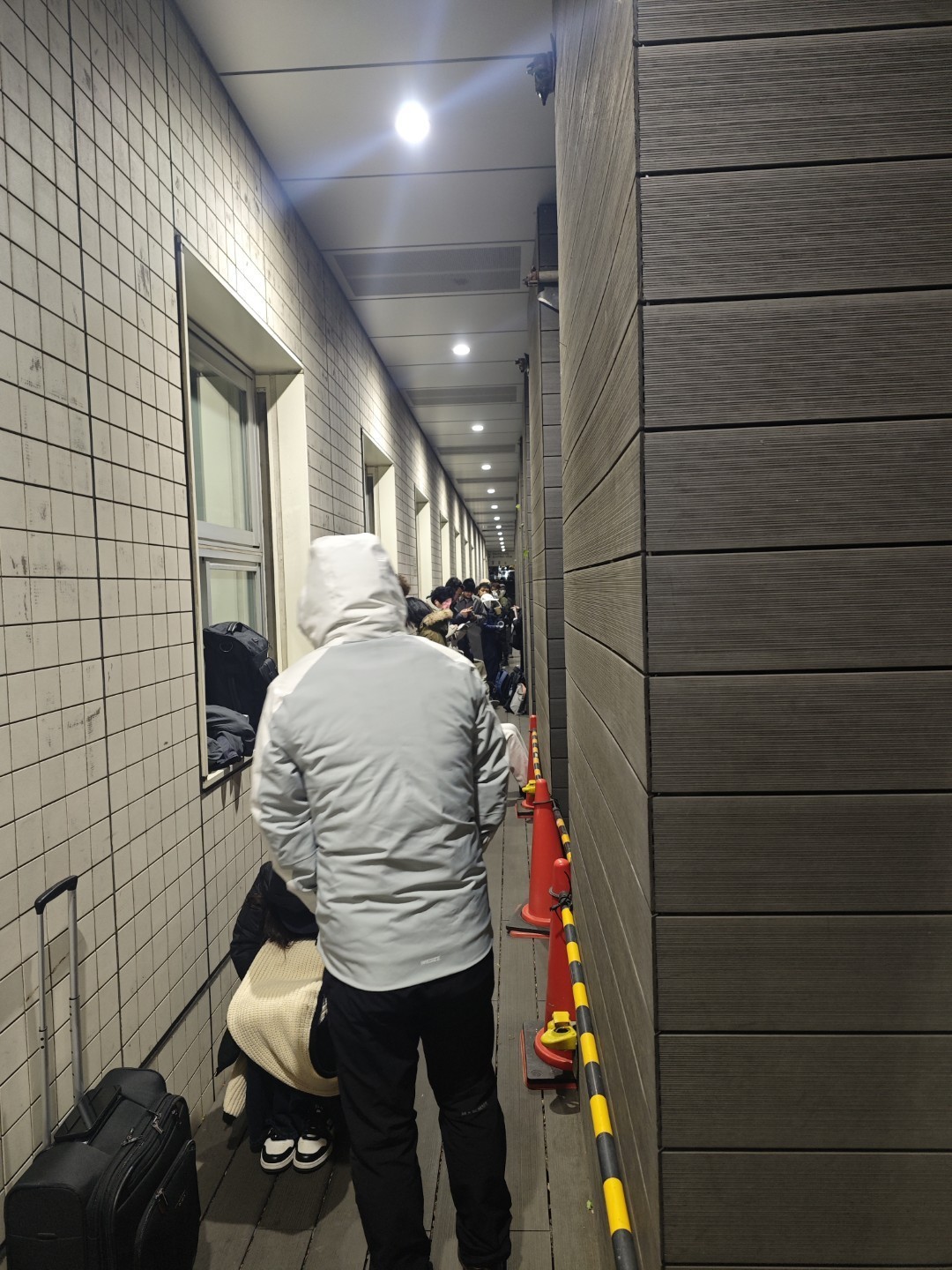
Left for Samezu test center at 3:30 AM, arrived before 4 AM, first in line. Since my Japanese isn’t good, I walked around. When I saw someone coming, I started queuing and let one person be second. People gradually arrived, basically full after 5 AM. Staff arrived around 7:30 AM to maintain order, led us inside around 7:50 AM to the 3rd floor to queue for document submission.
2. Document Submission, Application, Interview
Submit prepared documents at the window. Some will ask questions, some won’t - random. Questions I was asked: When did you get your license, when did you first enter Japan, how many years were you in your home country during that period, how many subjects did you test, general content and score of written test, general content of practical test. After confirming no issues, window takes documents and gives you a slip, wait for authenticity verification.
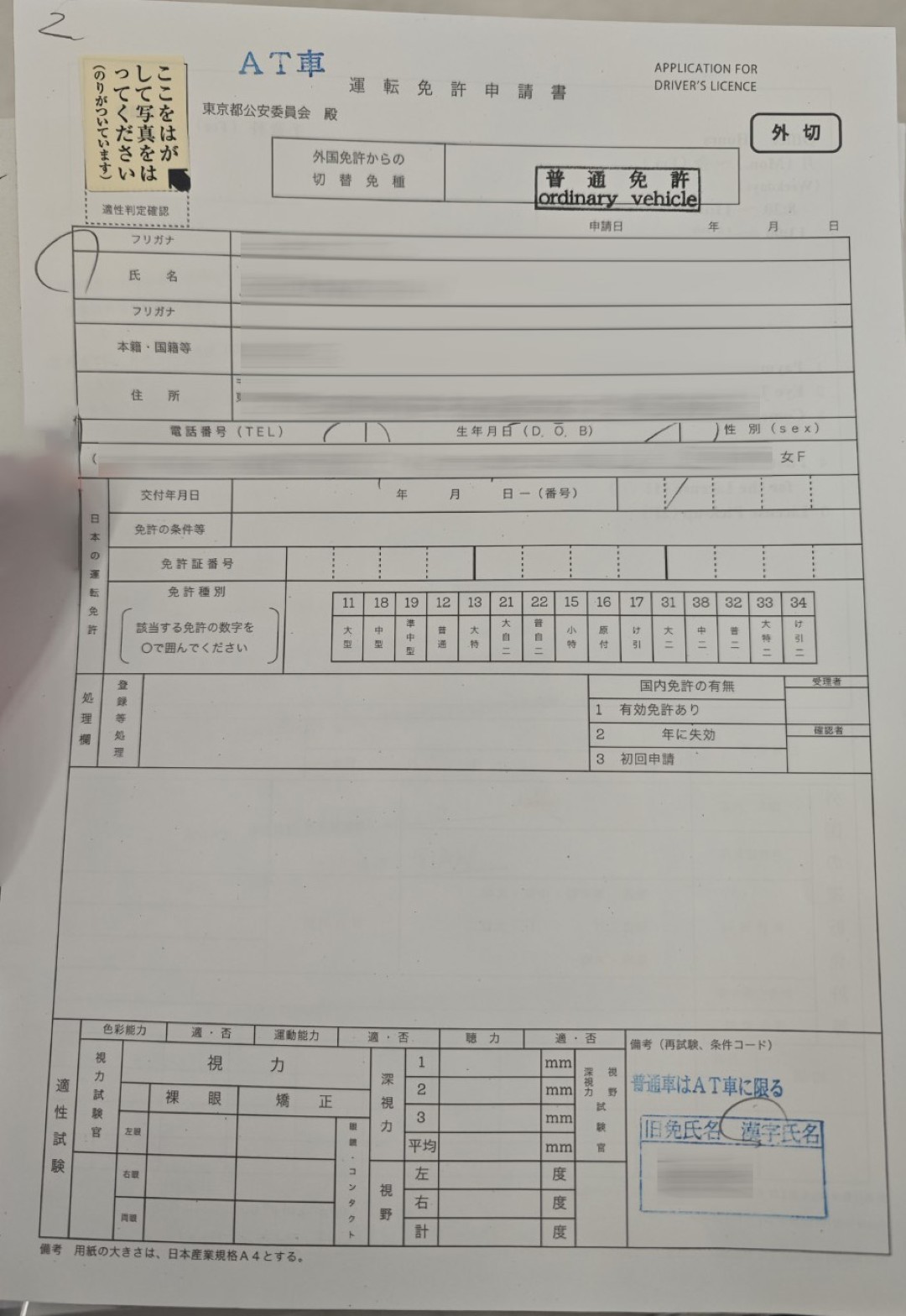
3. Pay Fee, Vision Test, Written Test
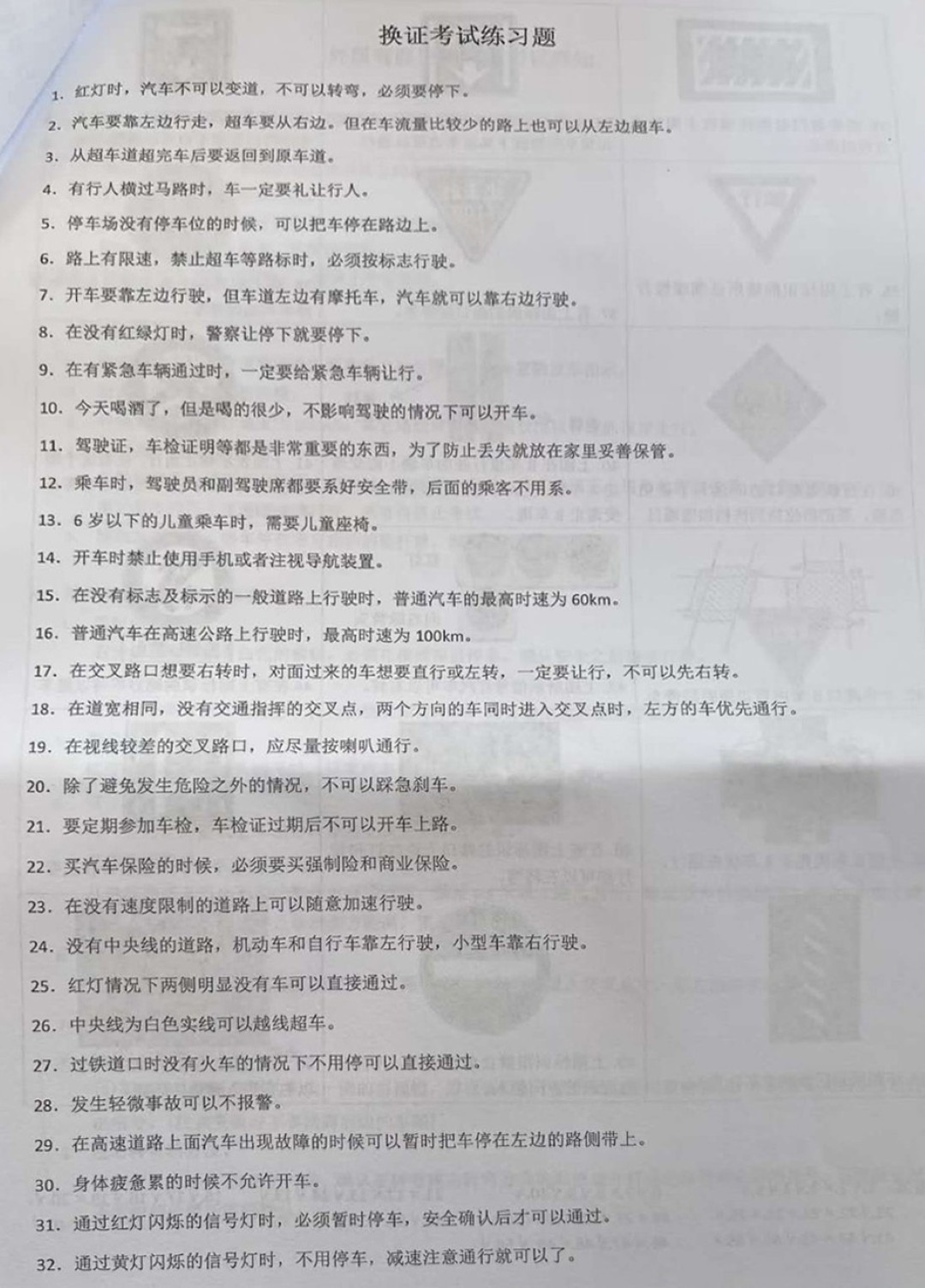
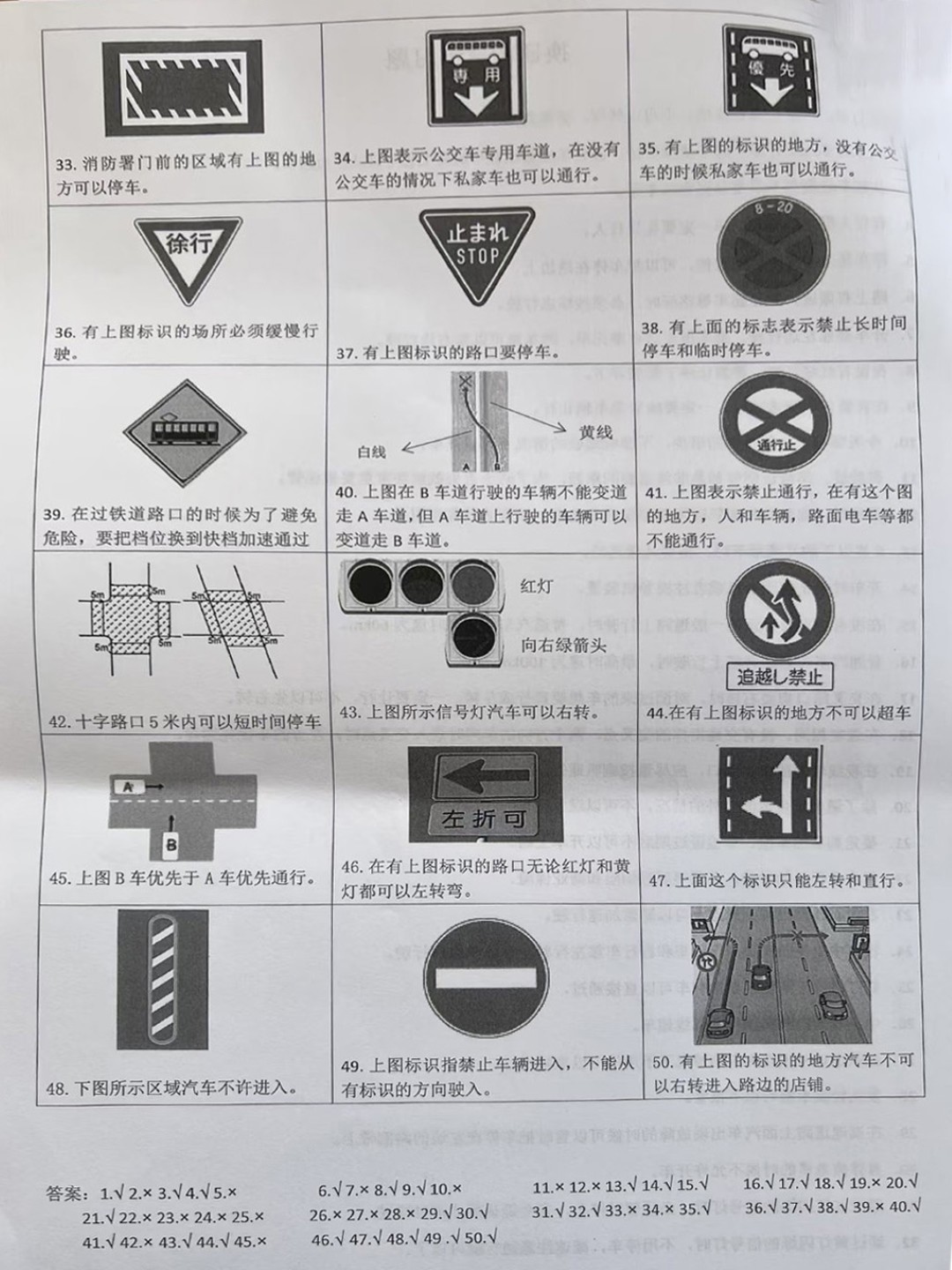
When called again, go to previous window to get documents, then pay fee - 2,550 yen. After paying, go to 1st floor for vision test. After passing vision test, return to 3rd floor behind the previous document submission window to wait for written test. Note: Japan’s vision test uses letter “C” not letter “E” like in China - point out which direction the “C” opening faces. Written test content is similar to traffic rules - simple but recommend reviewing.
4. Practical Test Reservation
After passing written test, go to the innermost window on 2nd floor. After submitting documents, you’ll get a card. Use this card on the machine at the window to select time and reserve practical test. After completion, you get the examination ticket. Return on the reservation date to the waiting room across from the window for practical test.
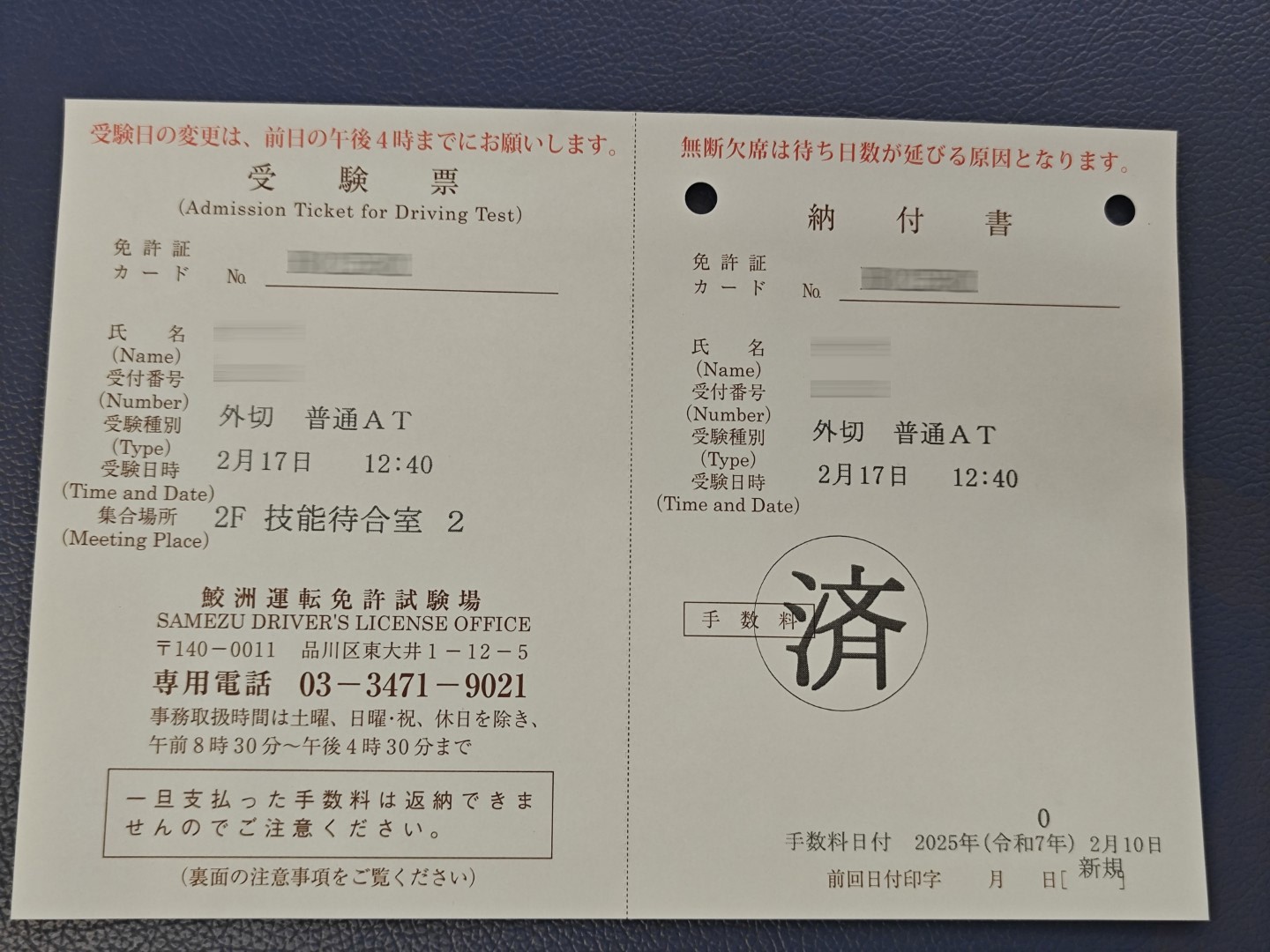
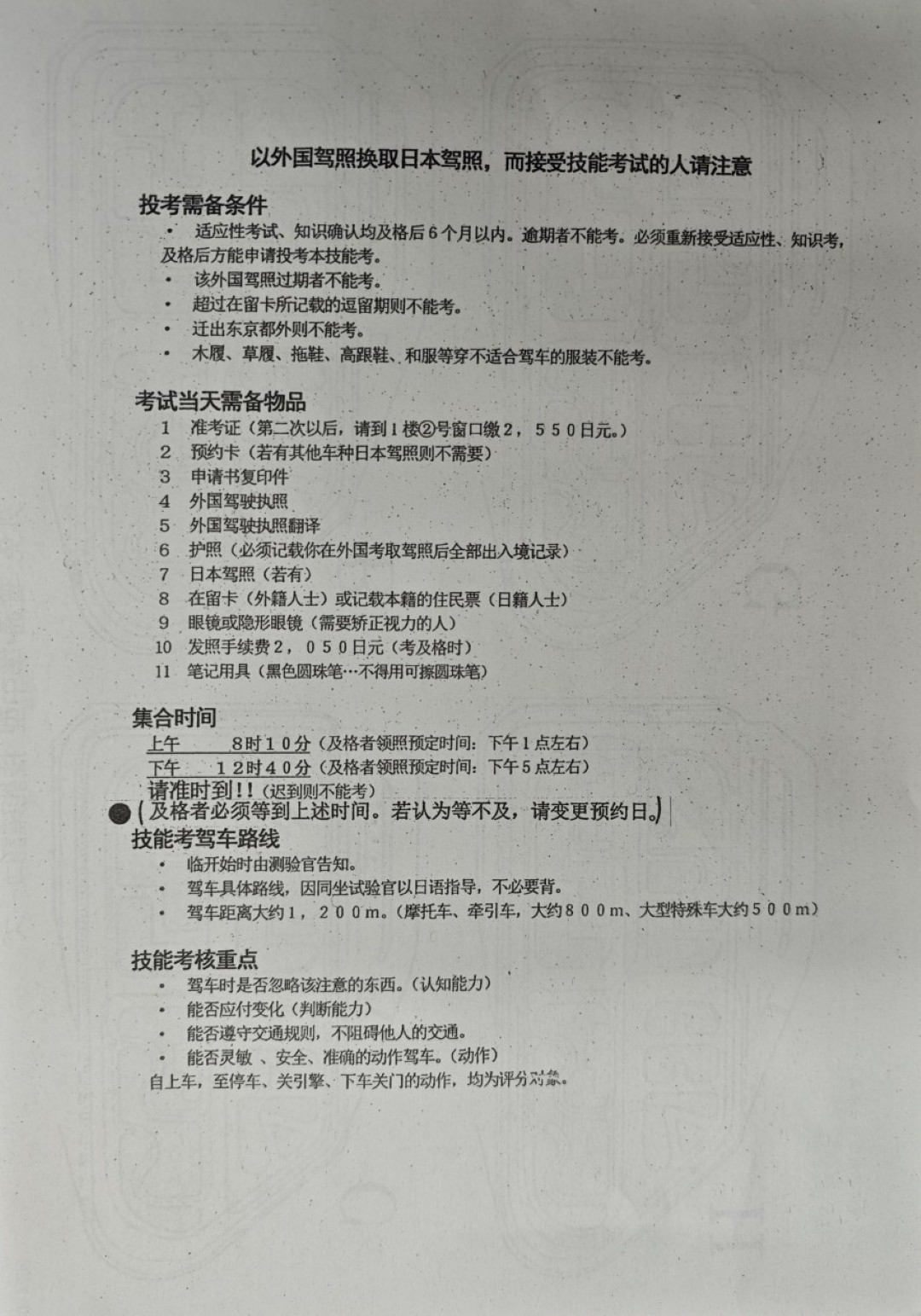
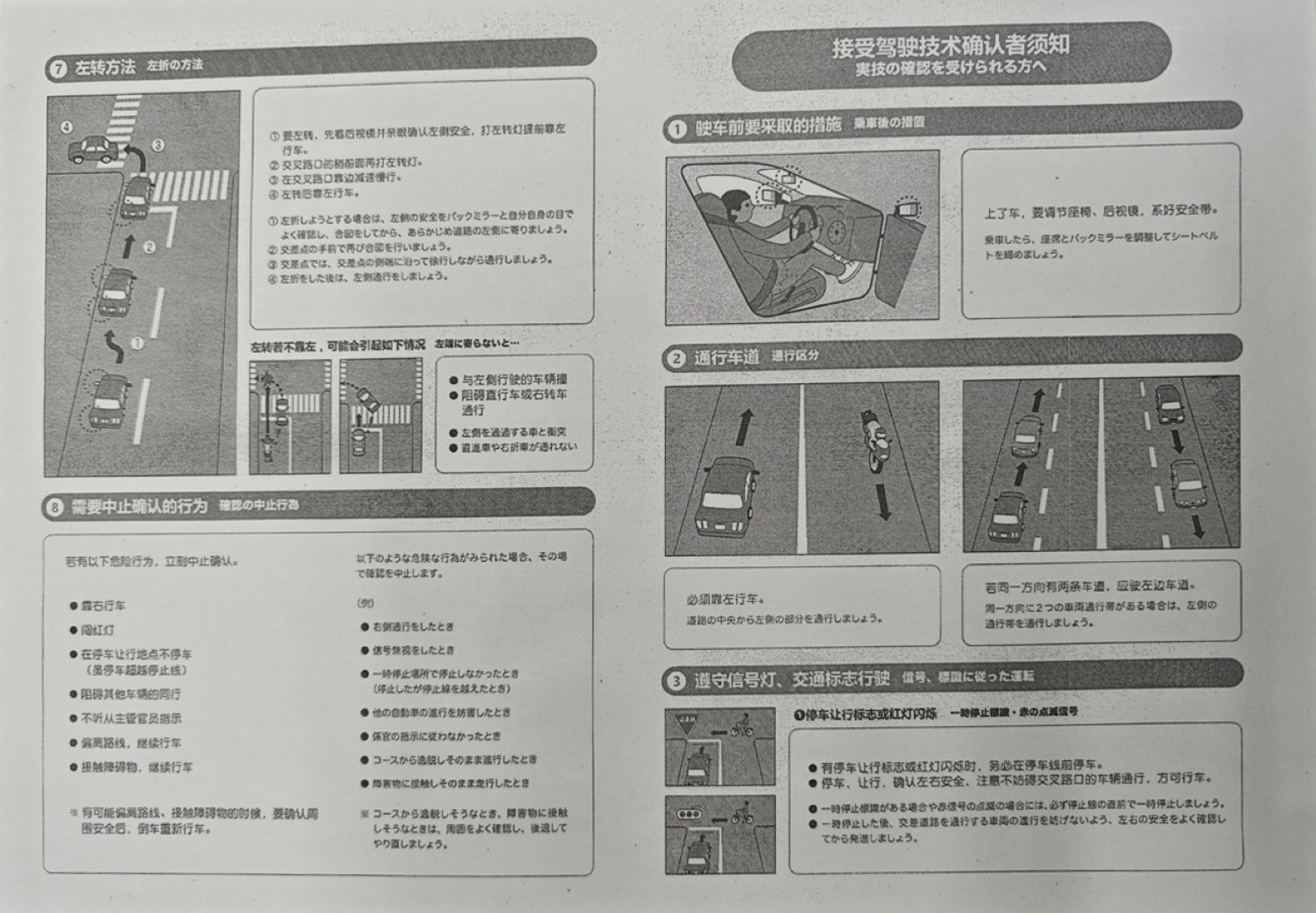
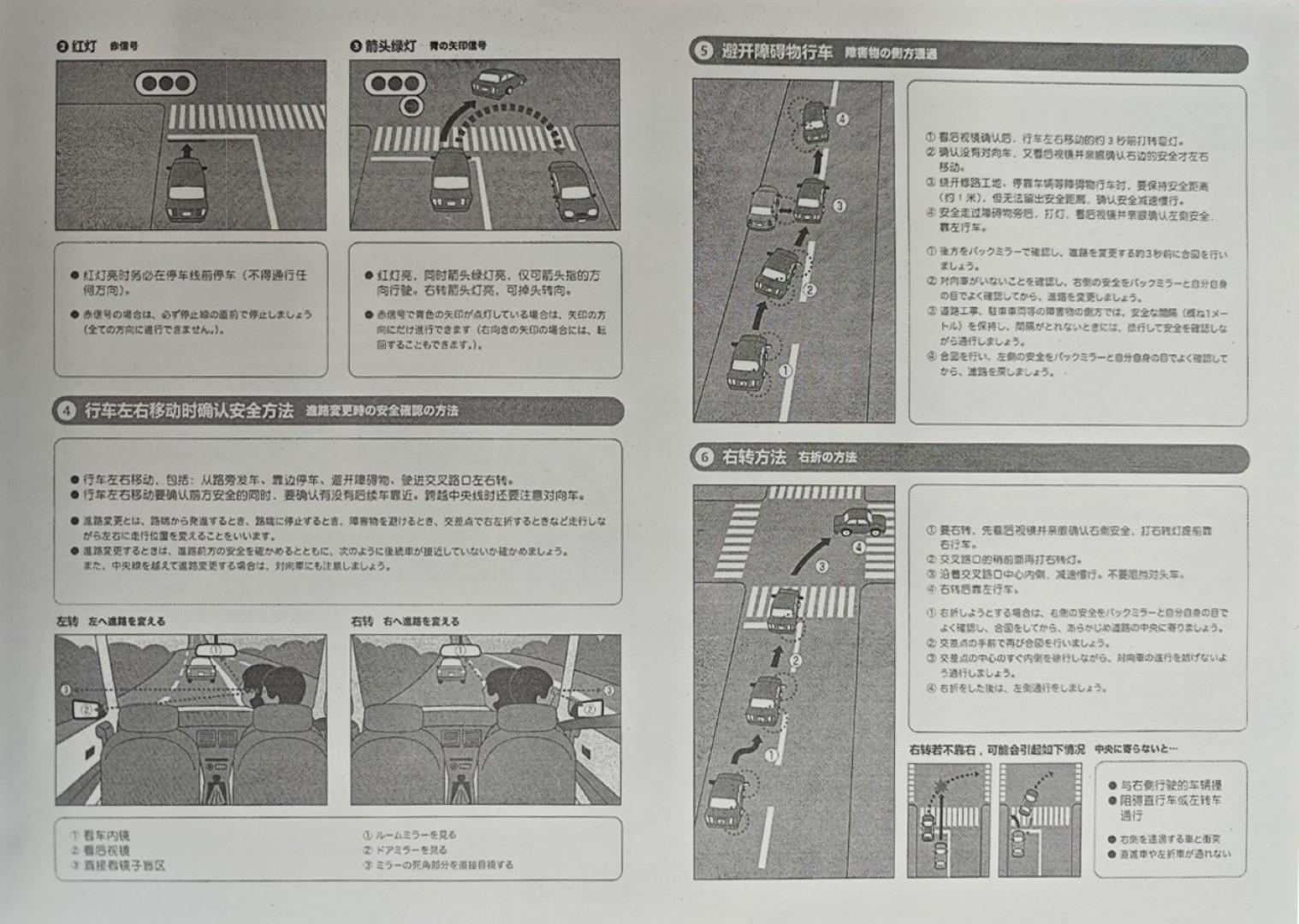
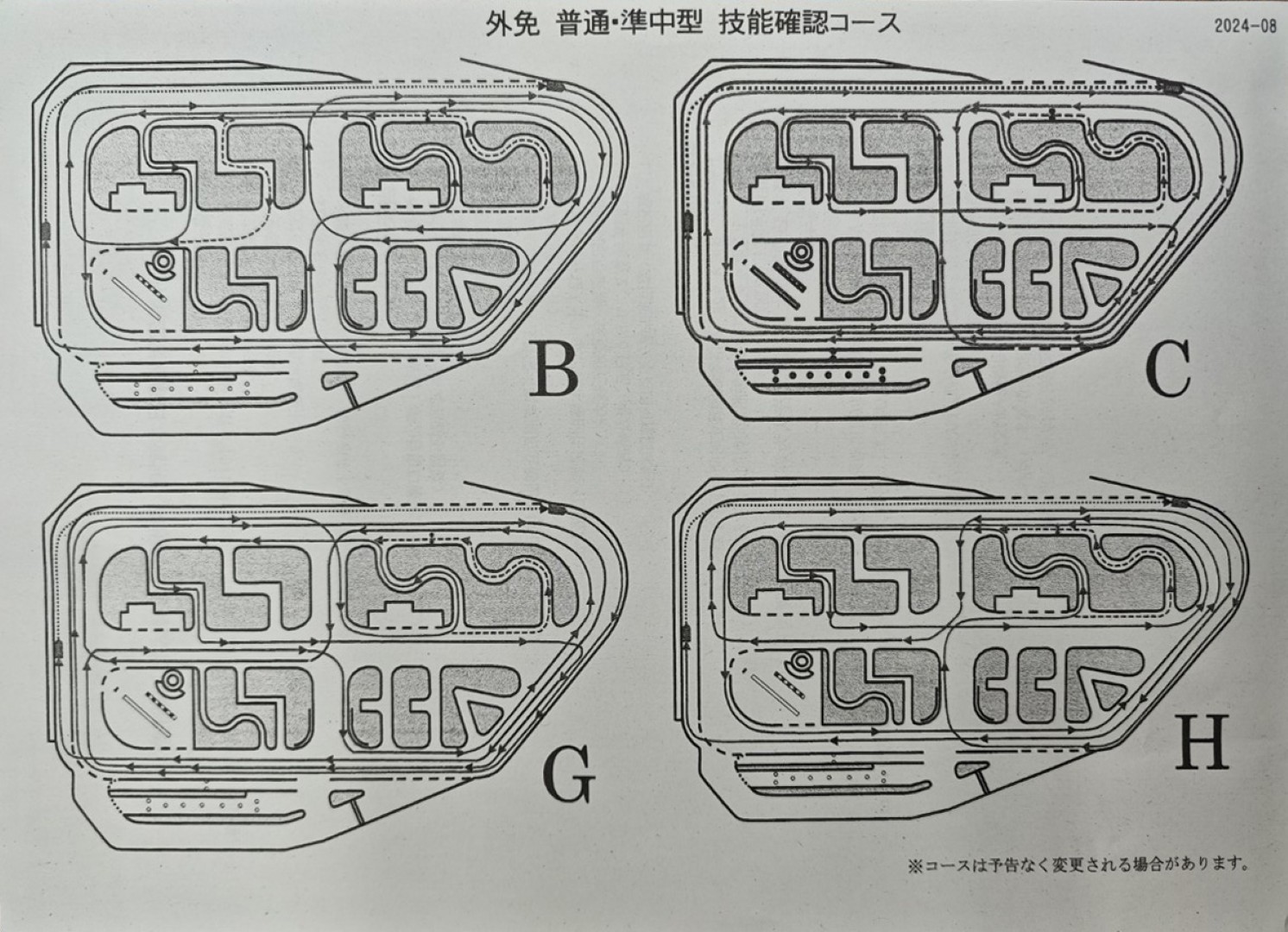
Practical Test
On practical test day, arrive early at the waiting room specified on examination ticket (usually 2nd floor innermost). After entering, sit anywhere temporarily. When time comes, examiner enters, calls names, submit documents to examiner who verifies information and asks if you’ve changed address, etc. Then reassign car and number order. Watch the big screen for your assigned test route. During my test period, only routes C and H were available.
1. Car Assignment, Number Order
New number order format: N car N number - which car number you use for test, which number you are for that car. Person #1 is called directly by examiner to start test. Others watch the big screen - when called, calmly exit right and go upstairs to find your car.
2. Start Practical Test
Go upstairs to find your car, hand documents to examiner in passenger seat, place belongings on seat behind examiner. Vehicle Inspection: Squat in front of car to check undercarriage, go around passenger side to back of car, squat to check undercarriage, look left and right for coming cars, walk to driver’s side, look left and right for cars, open door, close door halfway leaving a small gap, check behind, make sure not to catch seatbelt, close door. Start Preparation: After closing door, adjust seat, adjust center rear mirror with both hands, fasten seatbelt, foot on brake, start car, adjust left and right mirrors, shift to D gear, release parking brake, say to examiner: “準備できました” (Junbi dekimashita - I’m ready). Then examiner gives instructions, turn on right signal, do 5-point check (left rear, left mirror, center mirror, right mirror, right rear) then depart. Test Process: Test points are on the materials given. Most importantly, turn on signal early when turning, do 3-point check (center mirror, left/right mirror, left/right look back) before moving steering wheel to turn. When exiting S-curve or right-angle turn, do 5-point check (left rear, left mirror, center mirror, right mirror, right rear) before turning. When seeing “止まれ” (tomare - stop), stop and wait 3-5 seconds before continuing.
If you pass, examiner takes back your practical test reservation card after stopping and gives you a small pink slip. If not passed, take the card to the innermost window on 2nd floor to reserve next test.
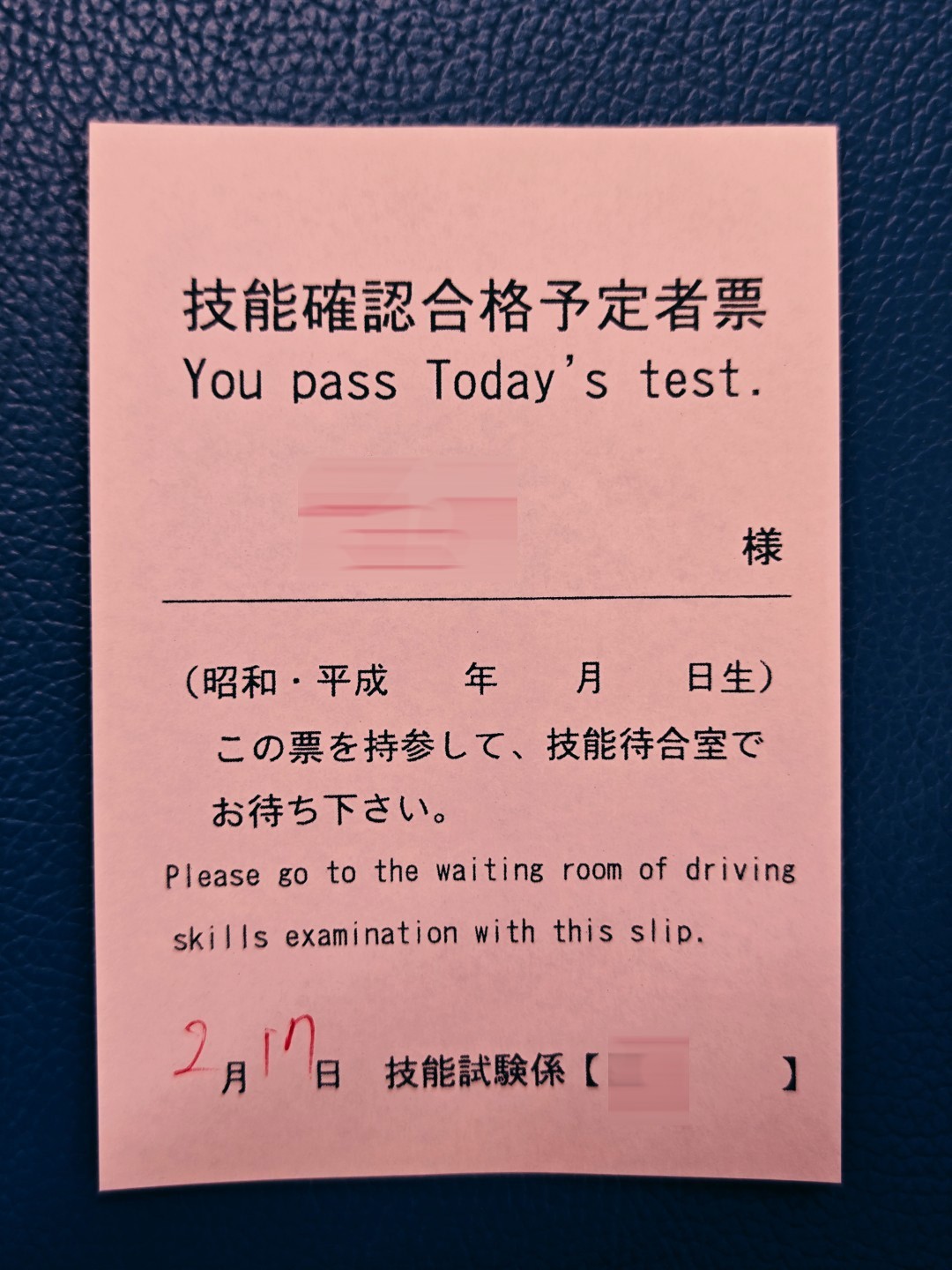
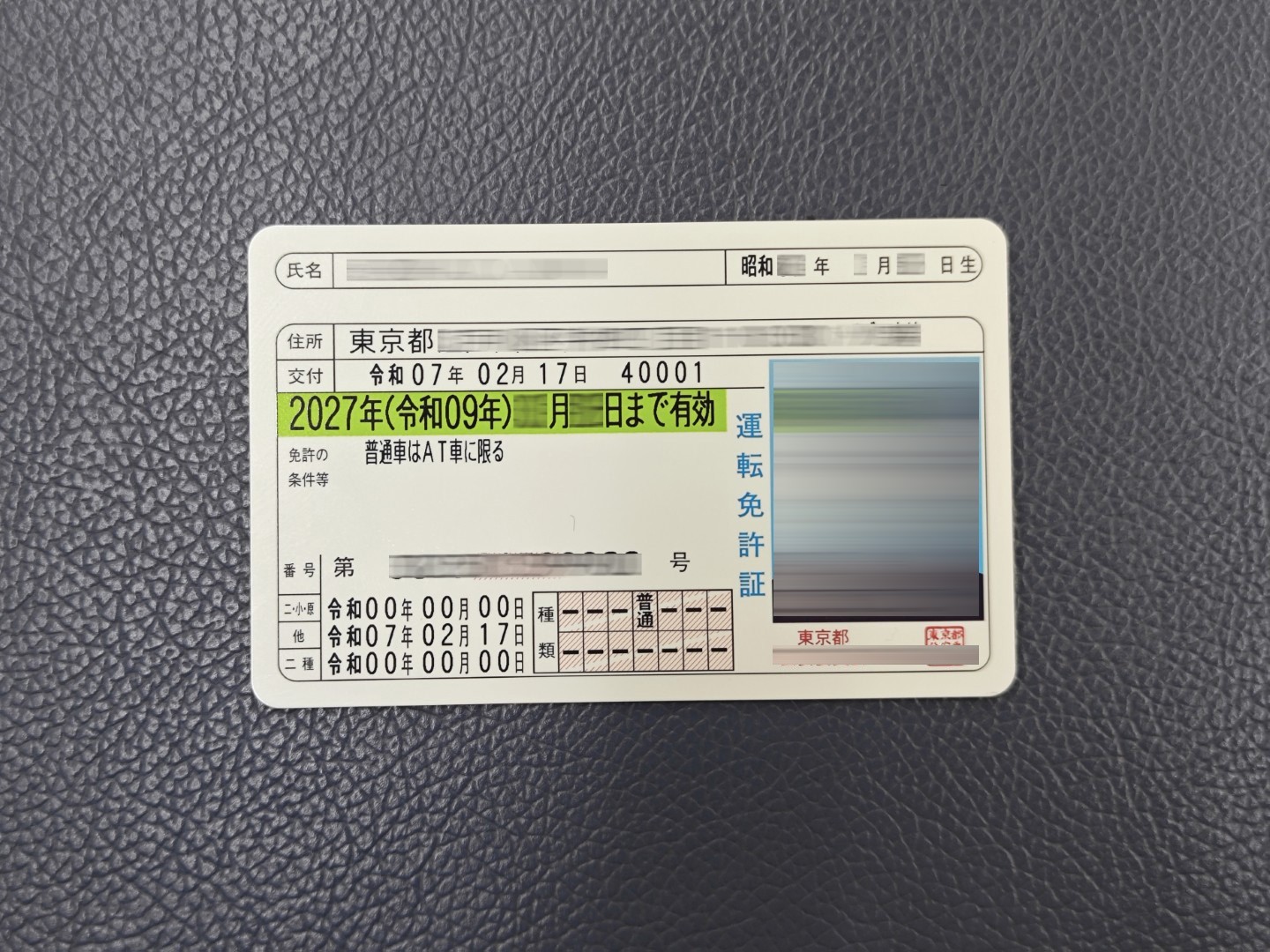
Those who pass return to waiting room. After everyone finishes testing, examiner leads you to set up registration card password. Then take this slip to pay fee - 2,050 yen, then go to 1st floor for photo, then go to 2nd floor to wait for license printing. After printing, big screen calls number ranges - not individual numbers but xxx~xxx ranges, those in range can go get license. After getting license, you can verify license info at the self-service machine by the exit. Then you can go home.
Personal Experience
This isn’t an advertisement or guide, just my personal experience. Please consider your own situation carefully - for reference only.
1. Finding Driving School, Practice
Many people on Xiaohongshu say you don’t need driving school practice to pass. I think there might be such people - maybe good at Japanese, maybe familiar with right-hand drive - but not suitable for someone like me who neither knows Japanese nor has right-hand drive experience. If you’re like me, you can find translators who specialize in helping with application interviews, or Chinese driving schools that offer application, interview, and practice as a package. Before registering, I learned that license exchange takes about 3-4 months, but I was lucky - completed in 7 days.
I used Tokyo Chinese Driving School (東京華人自動車学校). I queued myself first, during working hours a school teacher came to help guide document filling, accompanied to window for translation, helped with procedures on each floor. After reserving practical test, practice was arranged - 6 lessons total in 3 sessions. Teacher Lei who taught me was quite responsible, and another substitute teacher whose name I don’t know was also good.
Before registering, I also saw various reviews of different driving schools online, mostly about forgetting practice tickets requiring payment for replacements, or no refunds for missed practice sessions. Felt it wasn’t a big deal and registered. After practicing a few times, I got some understanding of Chinese-speaking driving schools and practice in Tokyo.
The practice site I went to (had to take train to Yono-Honmachi Station in Saitama) isn’t actually a driving school - it seems to be just a venue where multiple driving schools or individual instructors bring students to practice. Maybe the driving schools active on Xiaohongshu are all here. Instructor quality varies - some work hard and keep their heads down, some are good at marketing and active on Douyin/Xiaohongshu, some speak directly and bluntly, some express gently and kindly, and some might be part-time temporary instructors. Maybe that’s why there are various online reviews of driving schools. But regardless, you need to be clear about what you’re here for - understand Japanese driving requirements, practice diligently, getting the license is the goal. I believe every driving school and instructor will teach you these skills.
Without practice, you won’t know how many times you need to practice before you stop driving on the wrong side, before you stop confusing wipers with turn signals.
On the Saikyo Line to Yono-Honmachi, sitting on the right side facing the direction of travel, you can see Mt. Fuji.
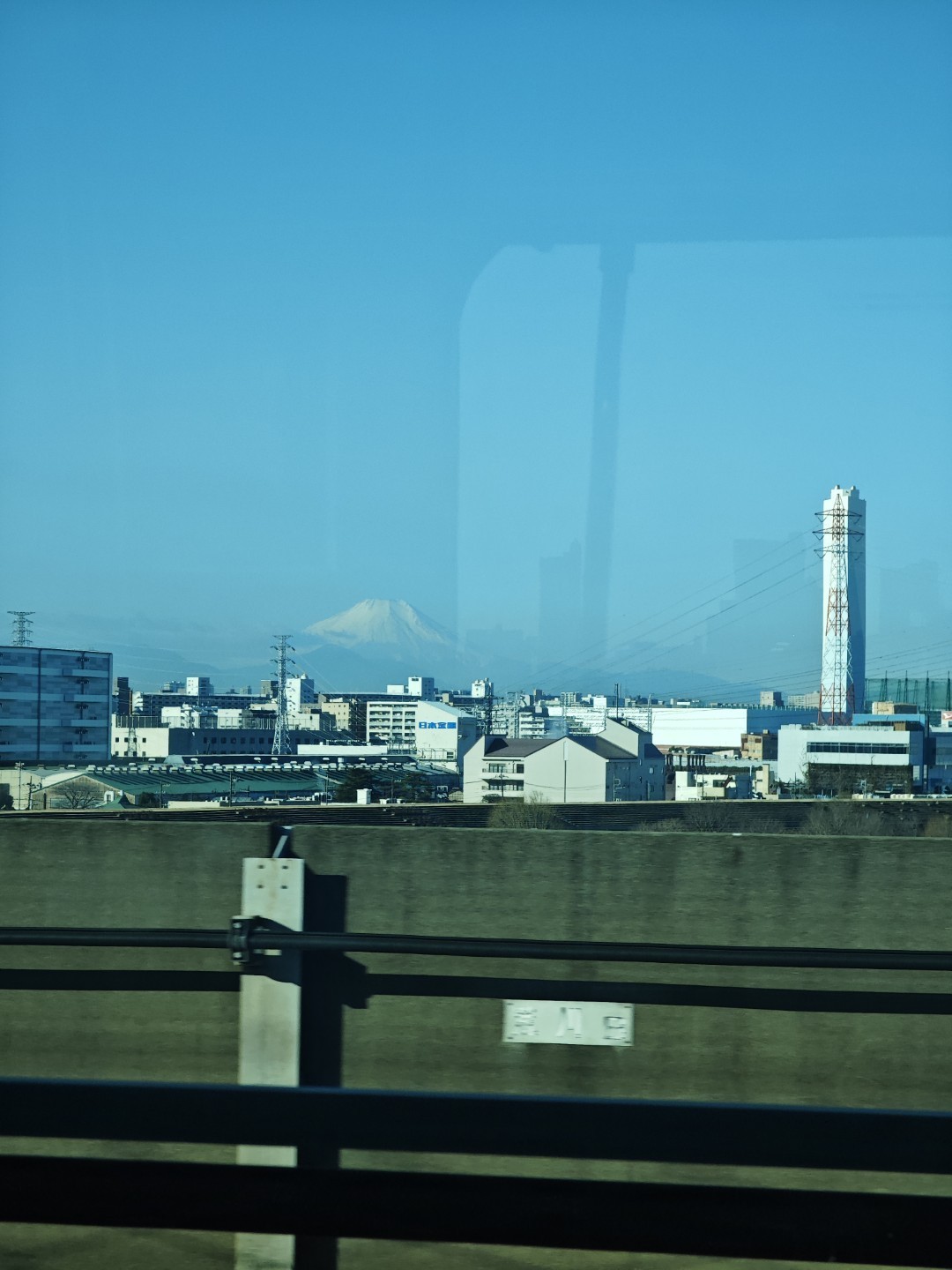
After getting off, take the driving school shuttle to the practice site - it’s in a remote location.
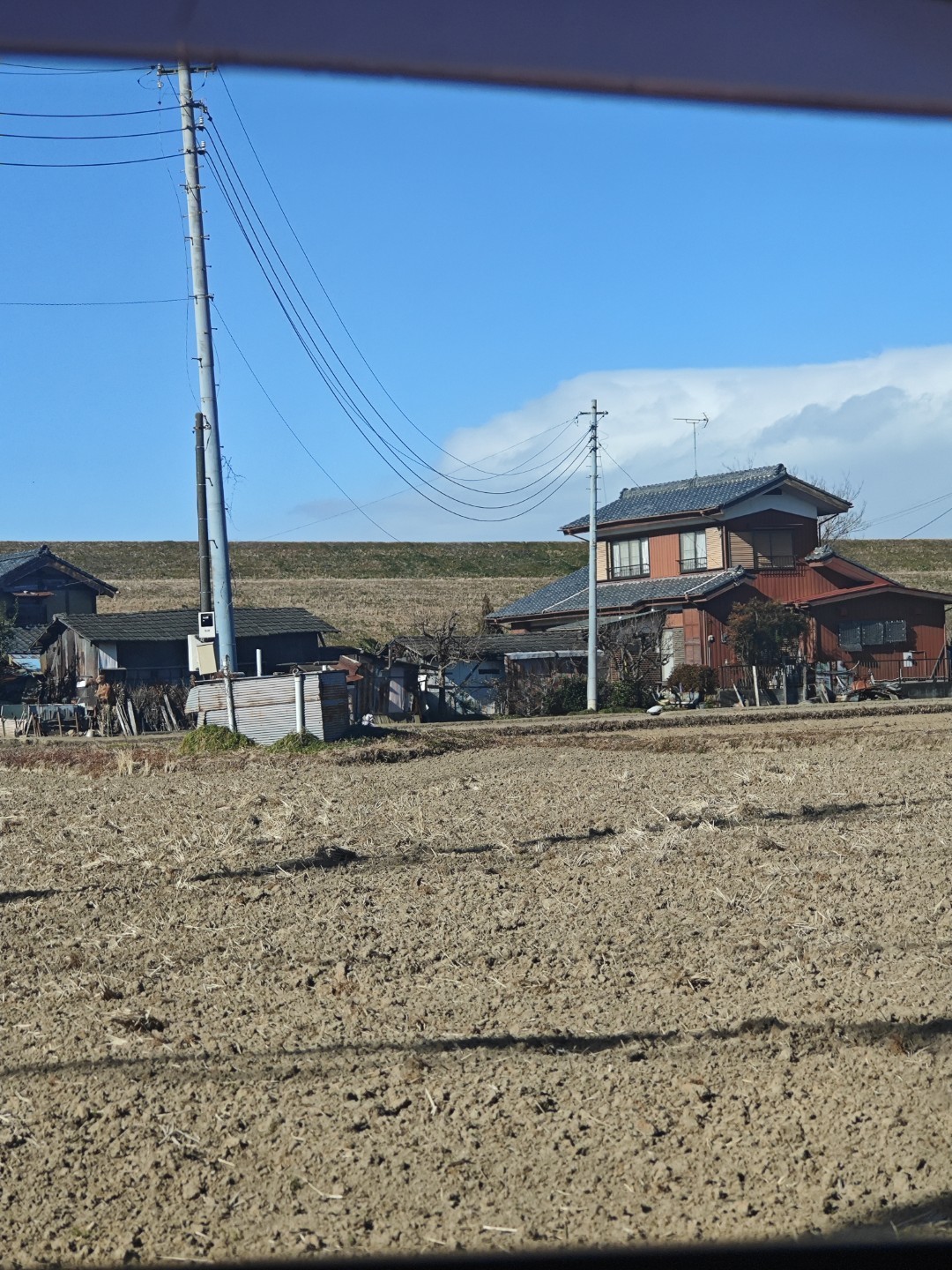
Arrived at practice site, started practicing. First practice day happened to be a windy sandstorm day - even the trees at the practice site were blown down.
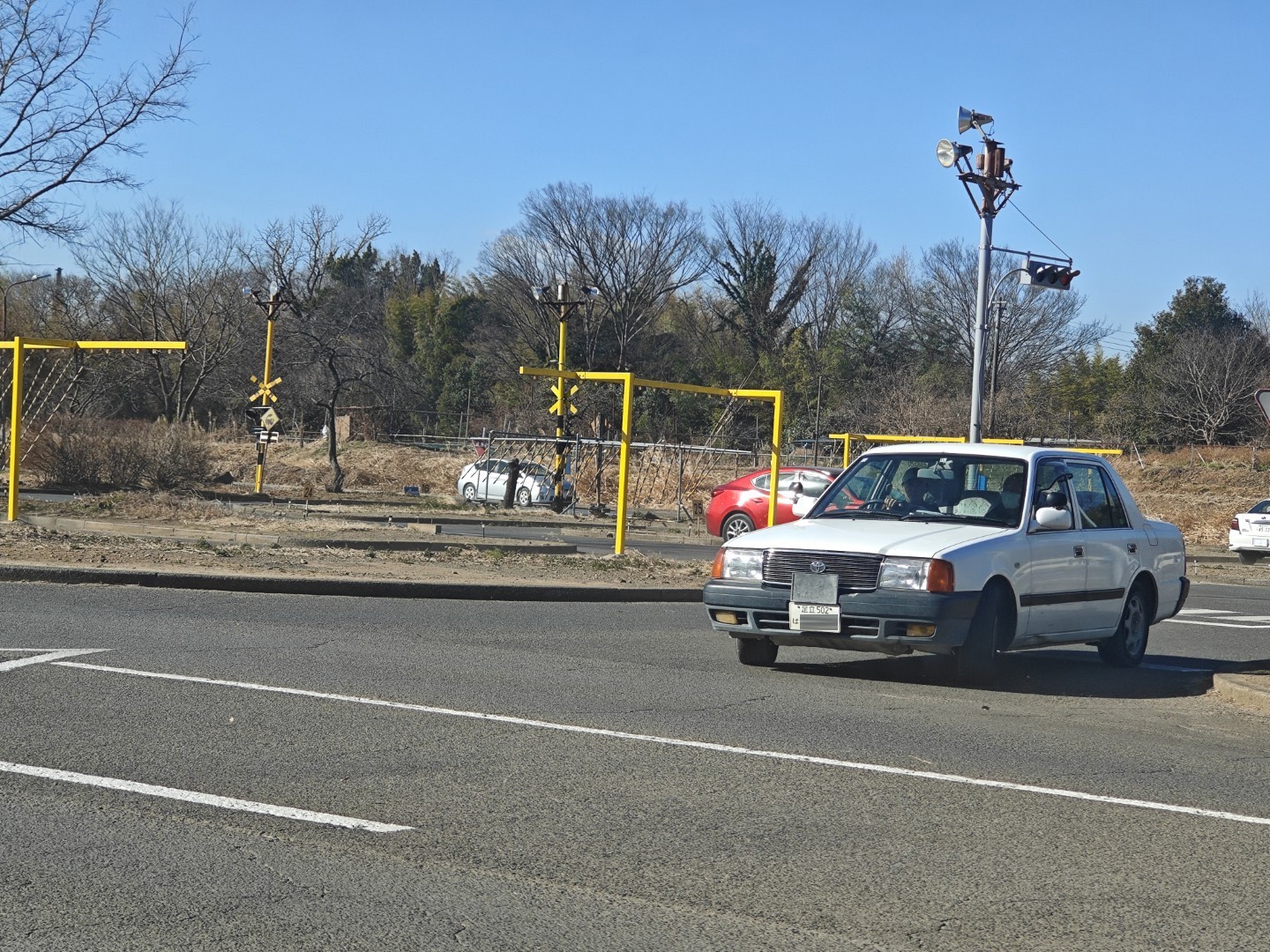
2. Practical Test
Did lots of preparation before the test, watched many videos and guides, including how to greet the examiner, various acceleration and turning commands. But the moment I got in the car, my mind went blank. I only said: Hello (こんにちは). Didn’t even finish saying “準備ができました” - only said “準備” before the examiner gestured to depart. The examiner seemed to be named Sato, serious throughout, would add hand gestures when giving instructions if you didn’t respond. Since I couldn’t understand, he could only gesture. Seeing the examiner constantly marking lines on the sheet, I got nervous each time. After 4-5 more marks, I thought I probably failed and basically gave up. Halfway through, it started raining heavily - also the first time using wipers because of rain. Until I stopped the car and the examiner wrote a small pink slip, I suddenly realized - Japan probably doesn’t have the habit of making checkmarks, maybe a line means pass. Just like that, I very luckily passed the test. For the test, I think the most important thing is mindset - don’t be nervous. I didn’t overcome nervousness, but luckily misunderstood the marking, thought I failed so relaxed my mindset, drove carefully to finish. No goal probably means no pressure. Also need to understand numbers 1-30 - for me I only remembered 1, 2, 5, 6, 8, 10, 22 - very important, plus left and right. Others - nervous or not - couldn’t understand anyway.
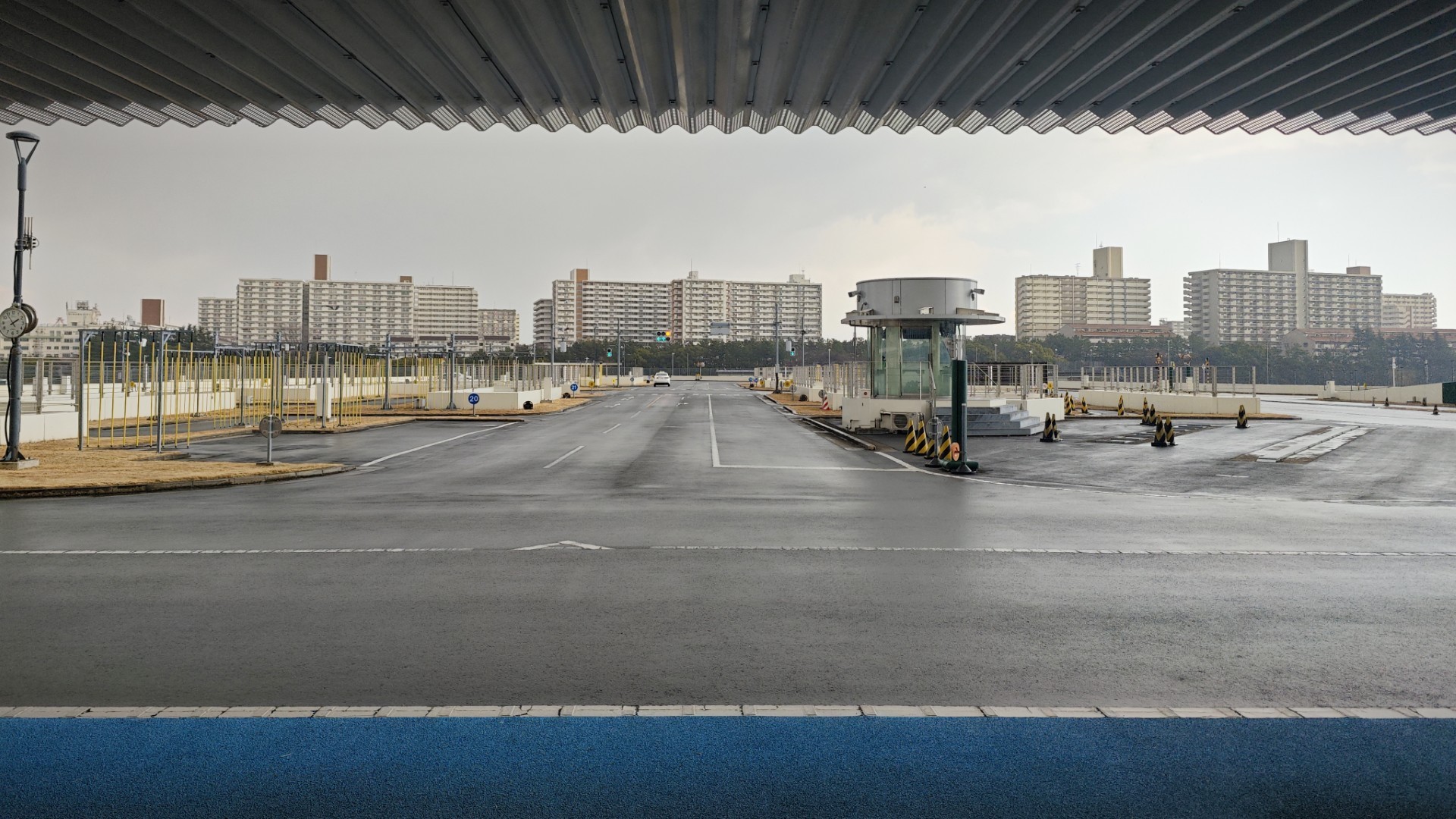
Finally, here are some Japanese phrases I think are worth remembering for the test:
Nice to meet you, please take care of me: はじめまして、どうぞよろしくお願いします。 Hajimemashite, dōzo yoroshiku onegai shimasu.
I don’t speak much Japanese: 私は日本語があまり話せません。 Watashi wa Nihongo ga amari hanasemasen.
Please fasten your seatbelt: シートベルトを締めてください。 Shītoberuto o shimete kudasai.
I’m ready: 準備ができました。 Junbi ga dekimashita.
一 (いち) Ichi 二 (に) Ni 三 (さん) San 四 (し / よん) Shi / Yon 五 (ご) Go 六 (ろく) Roku 七 (しち / なな) Shichi / Nana 八 (はち) Hachi 九 (きゅう / く) Kyū / Ku 十 (じゅう) Jū 十一 (じゅういち) Jūichi 十二 (じゅうに) Jūni 十三 (じゅうさん) Jūsan 十四 (じゅうし / じゅうよん) Jūshi / Jūyon 十五 (じゅうご) Jūgo 十六 (じゅうろく) Jūroku 十七 (じゅうしち / じゅうなな) Jūshichi / Jūnana 十八 (じゅうはち) Jūhachi 十九 (じゅうきゅう / じゅうく) Jūkyū / Jūku 二十 (にじゅう) Nijū 二十一 (にじゅういち) Nijūichi 二十二 (にじゅうに) Nijūni 二十三 (にじゅうさん) Nijūsan 二十四 (にじゅうし / にじゅうよん) Nijūshi / Nijūyon 二十五 (にじゅうご) Nijūgo 二十六 (にじゅうろく) Nijūroku 二十七 (にじゅうしち / にじゅうなな) Nijūshichi / Nijūnana 二十八 (にじゅうはち) Nijūhachi 二十九 (にじゅうきゅう / にじゅうく) Nijūkyū / Nijūku 三十 (さんじゅう) Sanjū
左 (ひだり) Hidari 右 (みぎ) Migi 加速 Kasoku 向左折 (左折) Sasetsu 向右折 (右折) Usetsu